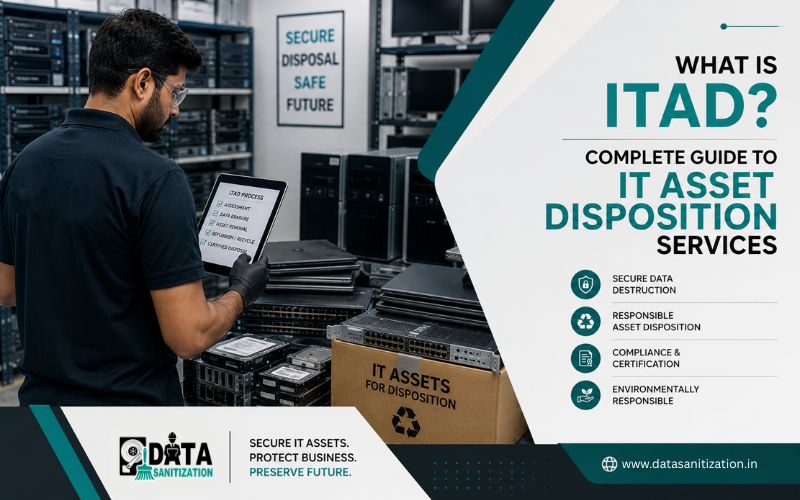
Technology evolves quickly and businesses regularly replace laptops, desktops, servers, storage systems, networking equipment and mobile devices with newer and faster alternatives. While upgrading IT infrastructure improves productivity, it also creates another important challenge—how to securely manage retired IT assets.
Simply storing old equipment in a warehouse or sending it for recycling without securely removing the data can expose an organization to serious security and compliance risks. Hard drives, SSDs, servers and other storage devices often contain confidential information that may still be recoverable if not properly sanitized.
This is where IT Asset Disposition (ITAD) plays a vital role.
A professional IT Asset Disposition Service helps organizations securely retire IT equipment through certified data sanitization, responsible recycling, refurbishment, resale and environmentally compliant disposal. It protects sensitive information, supports sustainability and helps businesses recover value from retired hardware.
In this guide, you’ll learn what ITAD is, why it matters, how the process works and how to choose the right IT Asset Disposition partner for your organization.
What is ITAD?
IT Asset Disposition (ITAD) is the secure and systematic process of retiring unwanted or end-of-life IT equipment while ensuring all sensitive data is permanently removed before the assets are reused, resold, recycled or destroyed.
An ITAD project involves much more than disposing of old computers. It includes planning, asset tracking, certified data wiping, secure data destruction, equipment testing, refurbishment, logistics, documentation and environmentally responsible recycling.
Professional ITAD services help organizations securely manage devices such as:
- Desktop computers
- Business laptops
- Enterprise servers
- Hard disk drives (HDDs)
- Solid State Drives (SSDs)
- Storage Area Network (SAN) systems
- Network Attached Storage (NAS)
- Mobile phones
- Tablets
- Network switches
- Routers
- Firewalls
- Backup devices
- USB drives
- Tape libraries
- Printers and enterprise IT equipment
The primary objective is to protect confidential information while extending the useful life of IT assets wherever possible.
Why IT Asset Disposition Matters
Every storage device contains valuable business information. Even an old laptop or unused hard drive may store customer records, employee information, financial documents, passwords, contracts, application data or confidential intellectual property.
If these devices are disposed of improperly, the consequences can include:
- Data breaches
- Identity theft
- Financial loss
- Compliance violations
- Cybersecurity incidents
- Legal liabilities
- Reputational damage
Professional IT Asset Disposition Services help organizations reduce these risks by ensuring sensitive information is permanently removed before devices leave the business.
In addition to protecting data, ITAD also supports responsible e-waste recycling, helping organizations reduce their environmental impact and meet corporate sustainability goals.
Benefits of Professional IT Asset Disposition Services
Partnering with an experienced ITAD provider offers several advantages beyond simple equipment disposal.
Enhanced Data Security
Certified data sanitization and secure data destruction help ensure confidential information cannot be recovered after devices are retired.
Regulatory Compliance
Professional ITAD providers follow recognized industry practices that help organizations maintain compliance with privacy regulations and internal security policies.
Cost Recovery
Many retired devices still have value. Through refurbishment and resale organizations can recover part of their IT investment while reducing disposal costs.
Sustainable Recycling
Responsible IT asset disposal minimizes electronic waste by refurbishing reusable equipment and recycling materials through approved channels.
Efficient Asset Management
A structured ITAD process simplifies inventory management, device tracking, reporting and documentation across the entire asset retirement lifecycle.
Types of IT Assets Covered
A comprehensive IT Asset Disposition Service can manage a wide variety of business technology assets.
These commonly include:
- Desktop computers
- Workstations
- Business laptops
- Rack servers
- Blade servers
- Storage arrays
- SAN storage
- NAS devices
- Hard drives
- SSDs
- Mobile phones
- Tablets
- Printers
- UPS systems
- Network switches
- Firewalls
- Routers
- Backup appliances
- Tape libraries
- Data center equipment
Every device should be inventoried, tracked and securely processed according to the organization’s security requirements.
The Complete ITAD Process
A successful IT Asset Disposition project follows a structured workflow designed to protect sensitive information while maximizing the value of retired equipment.
Step 1: Asset Inventory
The first step is identifying every IT asset scheduled for retirement.
Each device is recorded with information such as:
- Asset ID
- Device type
- Serial number
- Storage capacity
- Physical condition
- Business owner
- Location
A detailed inventory ensures complete visibility throughout the project and reduces the risk of missing or misplaced assets.
Step 2: Secure Collection and Transportation
After inventory is completed, the equipment is securely collected and transported using documented procedures.
Maintaining a secure chain of custody helps ensure every device remains accounted for until the final disposal stage.
Step 3: Data Backup and Validation
Before any storage device is sanitized organizations should verify that all critical information has been successfully backed up or migrated.
This includes:
- Business databases
- Virtual machines
- Application servers
- User files
- Cloud backups
- Disaster recovery systems
Verifying backups before sanitization prevents accidental data loss and supports business continuity.
Step 4: Certified Data Sanitization
One of the most critical stages of the ITAD process is permanently removing sensitive information from storage devices.
Professional data sanitization methods may include:
- Certified data wiping
- Secure erase procedures
- Media sanitization
- SSD secure erase
- Cryptographic erase (where applicable)
- Physical hard drive destruction (if reuse is not required)
Unlike ordinary file deletion or formatting, these methods are designed to prevent data recovery and protect confidential business information.
Step 5: Testing, Refurbishment and Value Recovery
Not every retired device needs to be destroyed. Many laptops, desktops, servers and networking devices remain fully functional after secure data wiping.
Reusable assets can often be:
- Refurbished
- Repaired
- Upgraded
- Redeployed within the organization
- Resold through approved channels
- Donated after certified data sanitization
This helps organizations maximize the value of retired IT equipment while reducing electronic waste.
Step 6: Responsible Recycling and Final Disposal
After data has been securely removed and reusable equipment has been identified, the remaining IT assets move to the final stage of the IT Asset Disposition (ITAD) process. Devices that cannot be reused are dismantled and processed through responsible recycling channels.
Professional IT Asset Disposition Services ensure that valuable materials such as aluminum, copper, steel, plastics and electronic components are recovered wherever possible. This reduces electronic waste, supports sustainability initiatives and helps organizations meet their environmental goals.
Responsible recycling also prevents hazardous materials from entering landfills, making ITAD an important part of both information security and environmental responsibility.
ITAD vs Data Destruction
Many businesses assume IT Asset Disposition and data destruction are the same, but they serve different purposes.
IT Asset Disposition (ITAD) | Data Destruction |
Complete lifecycle management of retired IT assets | Focuses only on permanently removing data |
Includes inventory, collection, refurbishment, resale, recycling and reporting | Includes secure data wiping or physical destruction |
Maximizes asset value through reuse and resale | Protects confidential information |
Supports sustainability and circular economy | Prevents unauthorized data recovery |
Data destruction is an essential part of ITAD, but a professional IT Asset Disposition Service manages the entire retirement process from asset collection to final disposal.
ITAD vs E-Waste Recycling
Another common misunderstanding is the difference between ITAD and ordinary e-waste recycling.
ITAD | E-Waste Recycling |
Data security is the first priority | Focuses mainly on recycling materials |
Includes certified data sanitization | Data removal may not always be included |
Asset tracking and chain of custody | Limited documentation |
Audit-ready reports and certificates | Usually basic recycling records |
Supports compliance and enterprise security | Primarily environmental disposal |
Organizations handling confidential business information should always ensure data has been securely sanitized before equipment is recycled.
Compliance and Secure Data Sanitization
Protecting confidential information is one of the most important objectives of an IT Asset Disposition Service. Before any laptop, server, hard drive, SSD or storage system leaves the organization, the stored data should be permanently removed using recognized data sanitization methods.
Professional ITAD providers typically use processes aligned with widely accepted standards such as NIST SP 800-88 for media sanitization. These procedures help organizations securely erase sensitive information while supporting compliance, internal governance and audit requirements.
A comprehensive ITAD project may include:
- Certified data wiping
- Secure erase procedures
- SSD data sanitization
- Hard drive destruction (where appropriate)
- Verification and quality checks
- Audit-ready documentation
- Certificate of Data Destruction
Proper documentation gives organizations confidence that every retired storage device has been securely processed.
Common ITAD Mistakes Businesses Should Avoid
Even well-managed organizations can make costly mistakes during IT asset retirement. Some of the most common include:
- Disposing of equipment without securely erasing data
- Relying only on file deletion or formatting
- Forgetting backup drives or legacy storage devices
- Failing to maintain a complete asset inventory
- Choosing vendors without secure handling procedures
- Not maintaining a documented chain of custody
- Recycling devices before confirming data sanitization
- Losing track of equipment during transportation
- Ignoring audit documentation
Avoiding these mistakes helps reduce security risks and simplifies future compliance reviews.
IT Asset Disposition Checklist
Before completing an ITAD project, make sure you have:
✅ Prepared a complete asset inventory
✅ Verified all business data backups
✅ Identified devices for reuse, resale, recycling or destruction
✅ Performed certified data sanitization
✅ Verified successful data removal
✅ Maintained a secure chain of custody
✅ Generated audit-ready documentation
✅ Obtained a Certificate of Data Destruction
✅ Recycled retired equipment responsibly
✅ Updated internal asset management records
Following this checklist helps organizations complete IT asset retirement projects efficiently while protecting confidential information.
How to Choose the Right IT Asset Disposition Service
Choosing the right IT Asset Disposition Service is critical for protecting sensitive data and maximizing the value of retired IT equipment.
When evaluating a provider, consider:
- Experience managing enterprise IT assets
- Certified data sanitization capabilities
- Secure collection and transportation
- Transparent chain of custody
- Asset tracking and reporting
- Support for servers, laptops, desktops, storage systems, mobile devices and networking equipment
- Responsible refurbishment and recycling
- Comprehensive audit documentation
- PAN India service availability for multi-location businesses
A trusted ITAD partner should provide secure, well-documented and environmentally responsible solutions tailored to your organization’s requirements.
Why Choose Data Sanitization?
Managing retired IT assets requires more than simply disposing of old hardware. It demands a structured process that protects sensitive information, supports compliance and ensures responsible asset management.
Data Sanitization provides professional IT Asset Disposition Services for businesses, enterprises, government organizations, educational institutions, healthcare providers, financial organizations and data centers across India.
Our services include:
- IT Asset Disposition (ITAD)
- Certified Data Sanitization
- Secure Data Wiping
- SSD Data Erasure
- Hard Drive Destruction
- Server Data Destruction
- Laptop & Desktop Data Sanitization
- Mobile Device Data Wiping
- SAN & NAS Storage Sanitization
- Data Center Decommissioning
- IT Asset Recycling Support
- Certificate of Data Destruction
- Audit-Ready Documentation
Why Businesses Trust Data Sanitization
- Trusted Since 2010
- Secure Data Sanitization Processes
- NIST SP 800-88 Aligned Procedures
- 100% Confidential Data Handling
- Enterprise-Grade ITAD Solutions
- PAN India Services
- Global Client Support
- Responsible E-Waste Recycling Practices
- Experienced Technical Professionals
Whether you are replacing office computers, upgrading enterprise servers or retiring an entire data center, our team helps you manage the complete IT asset lifecycle securely and responsibly.
Conclusion
Understanding what ITAD is the first step toward protecting your organization’s sensitive information and managing retired technology responsibly. A professional IT Asset Disposition Service goes far beyond disposing of old equipment—it combines secure data sanitization, certified data destruction, refurbishment, value recovery, responsible recycling and comprehensive documentation into one structured process.
As organizations continue to upgrade infrastructure and modernize their IT environments, partnering with an experienced ITAD provider helps reduce security risks, support sustainability and simplify compliance.
If your organization is planning to retire laptops, desktops, servers, storage systems or complete IT infrastructure, Data Sanitization offers secure and professionally managed IT Asset Disposition Services across India.
Contact Data Sanitization
Website: www.datasanitization.in
Phone: +91-852-770-9690
Email: support@datasanitization.in
Protect your business with secure IT Asset Disposition, certified data sanitization and responsible IT asset management designed for today’s enterprise environments.
Frequently Asked Questions (FAQs)
1. Why is IT Asset Disposition important?
It helps organizations prevent data breaches, maintain compliance, recover value from retired equipment and support environmentally responsible disposal.
2. What devices are covered under ITAD?
ITAD services typically include laptops, desktops, servers, hard drives, SSDs, SAN and NAS storage, networking equipment, mobile devices, tablets, backup systems and other enterprise IT assets.
3. Is deleting files enough before disposing of a computer?
No. Deleted or formatted data can often be recovered. Professional data sanitization permanently removes sensitive information.
4. What is the difference between ITAD and e-waste recycling?
ITAD includes secure data sanitization, asset tracking, refurbishment and compliance documentation, while e-waste recycling mainly focuses on recovering recyclable materials.
5. Can IT assets be reused after certified data wiping?
Yes. Devices in good condition can often be securely wiped, tested, refurbished and reused or resold.
Need Onsite Data Sanitization Services?
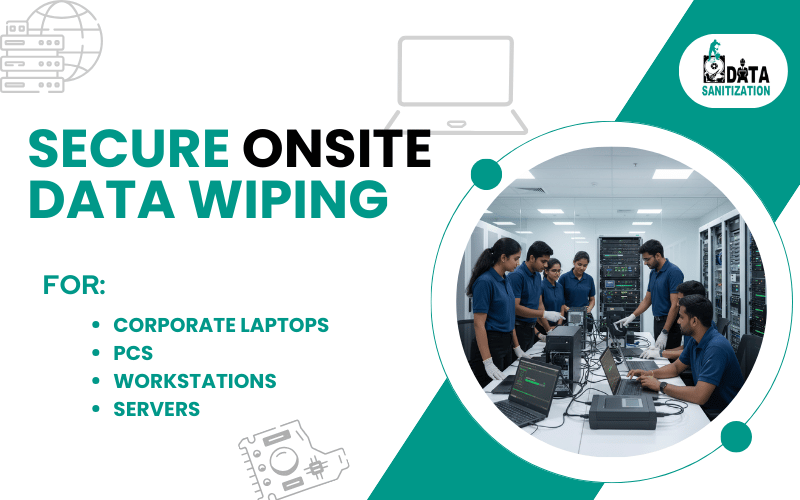
Do you want Data Sanitization Services to be provided at your location? No worries!! We got it covered. Our team members will be appointed to finish the job at your location after you book the appointment with us. Please feel free to contact us.