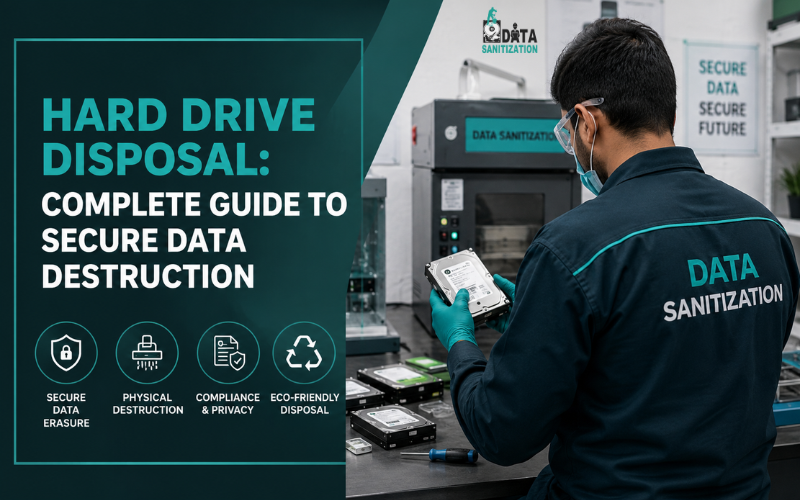
Every computer, laptop, server, CCTV recorder and storage system eventually reaches the end of its life. While replacing old devices is a routine part of IT management, many businesses overlook one critical step—secure hard drive disposal.
Old hard drives often contain confidential information such as customer records, financial documents, employee data, passwords, emails, contracts, business reports and intellectual property. If this information is not permanently removed before disposal, it can often be recovered using professional recovery tools.
A simple delete command or quick format does not permanently erase your files. This is why organizations today rely on hard drive disposal services, certified data destruction and secure data wiping to protect sensitive information and comply with industry regulations.
Whether you are an individual replacing a personal computer or an enterprise retiring thousands of storage devices, understanding the correct disposal process helps protect your data, your reputation and your business.
What Is Hard Drive Disposal?
Hard drive disposal is the process of securely removing, sanitizing, recycling or destroying a hard disk drive (HDD) or solid-state drive (SSD) once it is no longer required.
However, proper disposal involves much more than simply throwing a drive into the trash or sending it to an e-waste recycler. Before any storage device leaves your control, the data stored on it should be permanently erased or destroyed using approved methods.
Professional hard drive disposal typically includes:
- Secure data wiping
- Media sanitization
- Hard drive shredding
- Physical destruction
- Certified data destruction
- Electronic waste recycling
- Documentation and audit reports
This approach ensures that confidential information cannot be recovered while supporting environmentally responsible disposal practices.
Why Proper Hard Drive Disposal Matters
Every storage device contains valuable information. Even a damaged or unused hard drive may still hold recoverable data.
Improper disposal can expose organizations to serious risks, including:
- Data breaches
- Identity theft
- Financial fraud
- Loss of confidential business information
- Legal and regulatory penalties
- Damage to customer trust
- Cybersecurity incidents
Businesses in industries such as banking, healthcare, education, manufacturing, legal services, government and information technology regularly dispose of storage devices containing highly sensitive information. Secure hard drive disposal helps prevent unauthorized access and supports responsible information security practices.
Why Deleting or Formatting a Hard Drive Isn’t Enough
One of the biggest misconceptions is that deleting files or formatting a drive permanently removes data.
In reality, these actions mainly remove references to the files, while much of the underlying information can remain on the storage media until it is overwritten or securely sanitized.
Modern data recovery software—and in some cases advanced forensic techniques—can often recover deleted information from improperly erased drives.
This is why professional organizations recommend using certified data wiping or physical hard drive destruction instead of relying on ordinary deletion methods.
Hard Drive Disposal vs Data Wiping vs Physical Destruction
Many people use these terms interchangeably, but they serve different purposes.
Method | Best For | Can the Drive Be Reused? |
Data Wiping | Working hard drives | ✅ Yes |
Media Sanitization | Enterprise storage | ✅ Yes |
Hard Drive Shredding | Permanent disposal | ❌ No |
Crushing | Confidential media | ❌ No |
Degaussing | Magnetic HDDs | ❌ No |
If your organization plans to reuse, donate or resell storage devices, certified data wiping services are often the preferred solution because they securely erase information while preserving the hardware.
When a drive is damaged, obsolete or highly sensitive, physical destruction methods such as shredding or crushing may be more appropriate.
Step-by-Step Hard Drive Disposal Process
A professional hard drive disposal service follows a structured process to ensure complete security and traceability.
1. Inventory Assessment
Each storage device is identified, labelled and recorded before processing. This helps maintain an accurate audit trail throughout the disposal process.
2. Secure Collection
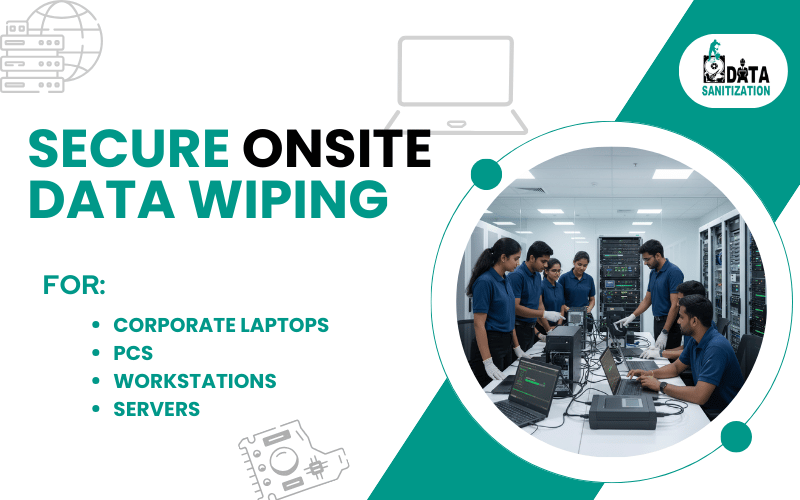
Hard drives are securely collected from the organization’s premises or processed on-site, depending on operational requirements and security policies.
3. Data Sanitization
The selected sanitization method—such as secure overwrite, firmware-based erase or physical destruction—is applied based on the condition of the device and business requirements.
4. Verification
After sanitization, verification procedures confirm that the data has been successfully removed or the storage media has been permanently destroyed.
5. Documentation
Organizations receive detailed reports and certificates confirming the completion of the disposal process, supporting compliance and internal record-keeping.
Best Hard Drive Disposal Methods
Choosing the right disposal method depends on the condition of the drive, the sensitivity of the stored information and whether the hardware will be reused.
Certified Data Wiping
Ideal for organizations that want to securely erase data while extending the useful life of storage devices. Certified wiping permanently removes information without damaging the hardware.
Physical Hard Drive Destruction
Suitable for damaged, failed or highly confidential drives that are no longer required. Techniques such as shredding and crushing ensure the storage media cannot be reused.
Hard Drive Recycling
Once data has been securely removed or the drive has been destroyed, components can be responsibly recycled through authorized e-waste recycling channels, helping reduce environmental impact.
HDD vs SSD Disposal: What’s the Difference?
Although both hard disk drives (HDDs) and solid-state drives (SSDs) store digital information, they require different disposal methods due to their internal technology.
Hard Disk Drives (HDDs)
HDDs use magnetic platters to store data. If they are still functional, certified data wiping or degaussing can securely erase the information before the drives are reused or recycled. If the drive is damaged or contains highly sensitive data, physical destruction methods such as shredding or crushing are recommended.
Solid-State Drives (SSDs)
SSDs store information in flash memory chips, making them different from traditional hard drives. Because of wear-leveling technology, simply formatting or deleting files does not guarantee complete data removal. Professional SSD data wiping tools or secure erase commands should be used to ensure the data is permanently removed. For highly confidential information, physical destruction may be the safest option.
Understanding these differences helps organizations choose the most effective hard drive disposal method while protecting sensitive data.
Compliance Standards for Secure Hard Drive Disposal
Many industries must follow strict information security and privacy regulations when disposing of storage devices. Professional data destruction services use recognized standards to ensure confidential information is permanently removed.
Some widely accepted standards include:
NIST SP 800-88
One of the most recognized guidelines for media sanitization. It provides recommendations for securely erasing data from storage devices while maintaining compliance and audit readiness.
DoD Data Wiping
Originally developed for government use, DoD overwrite methods remain widely recognized for securely removing information from magnetic storage devices.
GDPR
Organizations handling personal information must ensure that retired storage devices do not expose sensitive customer data. Secure data disposal supports privacy and compliance obligations.
IT Asset Disposition (ITAD)
Professional IT asset disposal combines secure data sanitization, documentation and environmentally responsible recycling to reduce business risk.
Following these standards helps organizations maintain compliance, reduce cybersecurity risks and build customer trust.
Common Hard Drive Disposal Mistakes to Avoid
Many businesses unintentionally put sensitive information at risk by using outdated or ineffective disposal methods.
Avoid these common mistakes:
- Throwing hard drives into general waste.
- Selling or donating devices without securely erasing the data.
- Assuming a quick format permanently removes information.
- Breaking only the hard drive casing while leaving the platters intact.
- Ignoring failed or damaged drives that still contain recoverable data.
- Choosing unverified disposal vendors without documentation.
- Failing to maintain a chain of custody during transportation.
- Not obtaining a Certificate of Data Destruction after the process.
Avoiding these mistakes significantly reduces the risk of data breaches and unauthorized data recovery.
How to Choose the Right Hard Drive Disposal Company
Not every company offering hard drive disposal services follows secure and compliant procedures. Before selecting a service provider, consider the following factors:
- Experience in secure data destruction and data sanitization.
- Compliance with recognized standards such as NIST SP 800-88.
- Support for HDDs, SSDs, servers, laptops, desktops, USB drives and enterprise storage.
- Secure on-site and off-site disposal options.
- Verified chain of custody throughout the disposal process.
- Detailed audit reports and Certificates of Data Destruction.
- Environmentally responsible e-waste recycling practices.
- PAN India service coverage and enterprise support.
Choosing an experienced provider ensures your sensitive information is handled securely from collection to final disposal.
Why Choose Data Sanitization?
When organizations need secure and compliant hard drive disposal, partnering with an experienced provider makes all the difference.
Data Sanitization has been helping businesses, enterprises, government organizations, educational institutions, healthcare providers and IT companies protect sensitive information since 2010.
Our professional services include:
- Hard Drive Disposal
- Secure Hard Drive Data Wiping
- SSD Data Sanitization
- Server Data Destruction
- Laptop & Desktop Data Erasure
- Mobile Device Sanitization
- USB Drive & Memory Card Data Wiping
- SAN & NAS Storage Sanitization
- Data Center Decommissioning
- IT Asset Disposal Data Erasure
- Certified Data Destruction
- Secure E-Waste Recycling Support
Our secure processes are designed to help organizations protect confidential information while supporting compliance and responsible IT asset disposal.
Why businesses trust Data Sanitization:
- Trusted Since 2010
- NIST 800-88 Compliant Processes
- Certified Data Erasure
- Secure Chain of Custody
- Audit-Ready Documentation
- PAN India Services
- Global Client Support
- Professional Data Security Solutions
Whether you need to dispose of a few hard drives or decommission an entire data center, our experts provide secure, reliable and compliant data destruction solutions tailored to your business needs.
Conclusion
Proper hard drive disposal is more than simply getting rid of old storage devices—it is an essential part of protecting sensitive information, maintaining regulatory compliance and preventing costly data breaches. Whether you are retiring a single laptop or decommissioning an entire IT infrastructure, secure disposal should always begin with professional data sanitization or certified data destruction.
By choosing the right disposal method—whether secure data wiping, hard drive shredding or responsible e-waste recycling—organizations can confidently protect confidential information while supporting sustainable IT asset management.
If your organization is looking for secure hard drive disposal services, Data Sanitization offers trusted, compliant and enterprise-ready solutions across India. Our experienced team follows industry-recognized processes to help businesses securely retire storage devices with complete peace of mind.
Contact Data Sanitization Today
📞 Phone: +91-852-770-9690
📧 Email: support@datasanitization.in
🌐 Website: www.datasanitization.in
Secure your data before you dispose of your storage devices. Protect your business, maintain compliance and ensure your confidential information never falls into the wrong hands.
Frequently Asked Questions (FAQs)
1. What is the safest way to dispose of a hard drive?
The safest approach is to use certified data wiping for reusable drives or physical destruction for damaged or highly confidential storage devices.
2. Is formatting a hard drive enough before disposal?
No. Formatting removes file references but does not permanently erase the underlying data, which may still be recoverable.
3. Can deleted data be recovered from an old hard drive?
Yes. In many cases, deleted or formatted data can be recovered using specialized recovery software or forensic techniques if the drive has not been securely sanitized.
4. Should I physically destroy my hard drive?
Physical destruction is recommended for drives that are damaged, contain highly sensitive information or will never be reused.
5. What is certified data destruction?
Certified data destruction is a verified process that permanently removes or destroys data and provides documentation confirming successful completion.
Need Onsite Data Sanitization Services?
Do you want Data Sanitization Services to be provided at your location? No worries!! We got it covered. Our team members will be appointed to finish the job at your location after you book the appointment with us. Please feel free to contact us.